𝐏𝐚𝐜𝐢𝐟𝐢𝐜 𝐍𝐚𝐭𝐢𝐨𝐧𝐬 𝐔𝐧𝐢𝐭𝐞 𝐭𝐨 𝐒𝐭𝐫𝐞𝐧𝐠𝐭𝐡𝐞𝐧 𝐂𝐨𝐫𝐫𝐞𝐜𝐭𝐢𝐨𝐧𝐚𝐥 𝐒𝐲𝐬𝐭𝐞𝐦𝐬 𝐀𝐠𝐚𝐢𝐧𝐬𝐭 𝐓𝐫𝐚𝐧𝐬𝐧𝐚𝐭𝐢𝐨𝐧𝐚𝐥 𝐎𝐫𝐠𝐚𝐧𝐢𝐳𝐞𝐝 𝐂𝐫𝐢𝐦𝐞

𝐅𝐢𝐣𝐢 𝐇𝐨𝐬𝐭𝐬 𝐑𝐞𝐠𝐢𝐨𝐧𝐚𝐥 𝐃𝐢𝐚𝐥𝐨𝐠𝐮𝐞 𝐨𝐧 𝐓𝐫𝐚𝐧𝐬𝐧𝐚𝐭𝐢𝐨𝐧𝐚𝐥 𝐎𝐫𝐠𝐚𝐧𝐢𝐬𝐞𝐝 𝐂𝐫𝐢𝐦𝐞 𝐚𝐧𝐝 𝐂𝐨𝐫𝐫𝐞𝐜𝐭𝐢𝐨𝐧𝐬
September 23, 2026
𝐁𝐀 𝐂𝐎𝐑𝐑𝐄𝐂𝐓𝐈𝐎𝐍𝐒 𝐂𝐄𝐍𝐓𝐄𝐑 𝐂𝐄𝐋𝐄𝐁𝐑𝐀𝐓𝐄𝐒 𝐋𝐎𝐂𝐀𝐋 𝐒𝐎𝐂𝐂𝐄𝐑 𝐕𝐈𝐂𝐓𝐎𝐑𝐈𝐄𝐒
September 23, 2026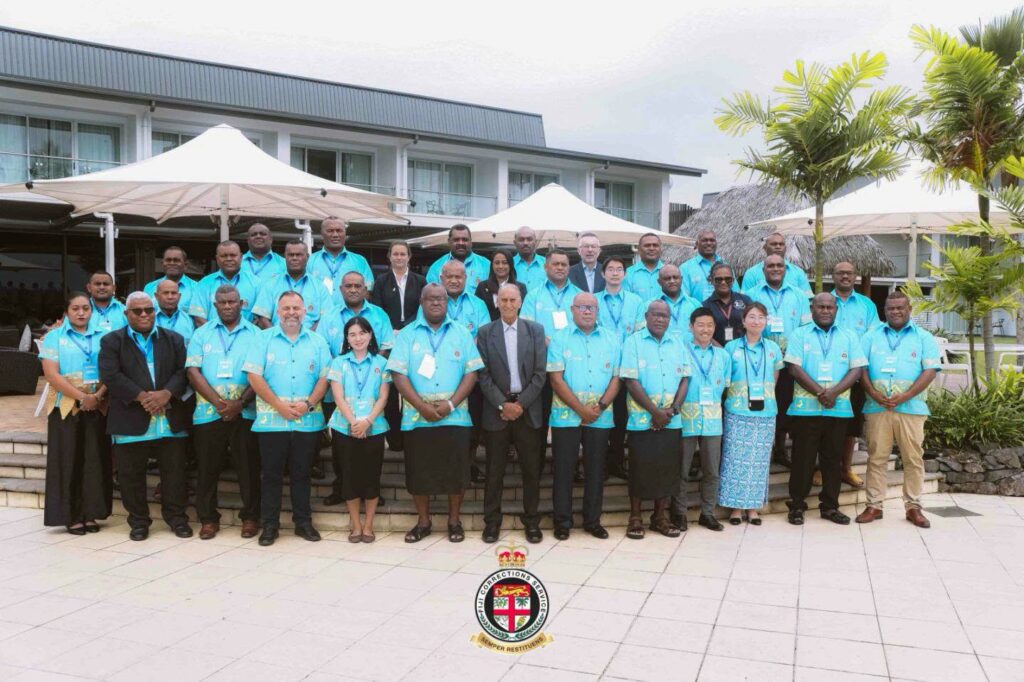
11th September, 2026
 SUVA, FIJI — As transnational organized crime—including large-scale drug trafficking, money laundering, and cybercrime—grows increasingly complex across the Pacific, regional leaders are expanding their focus beyond policing and border control to address security and intelligence risks within the correctional system.
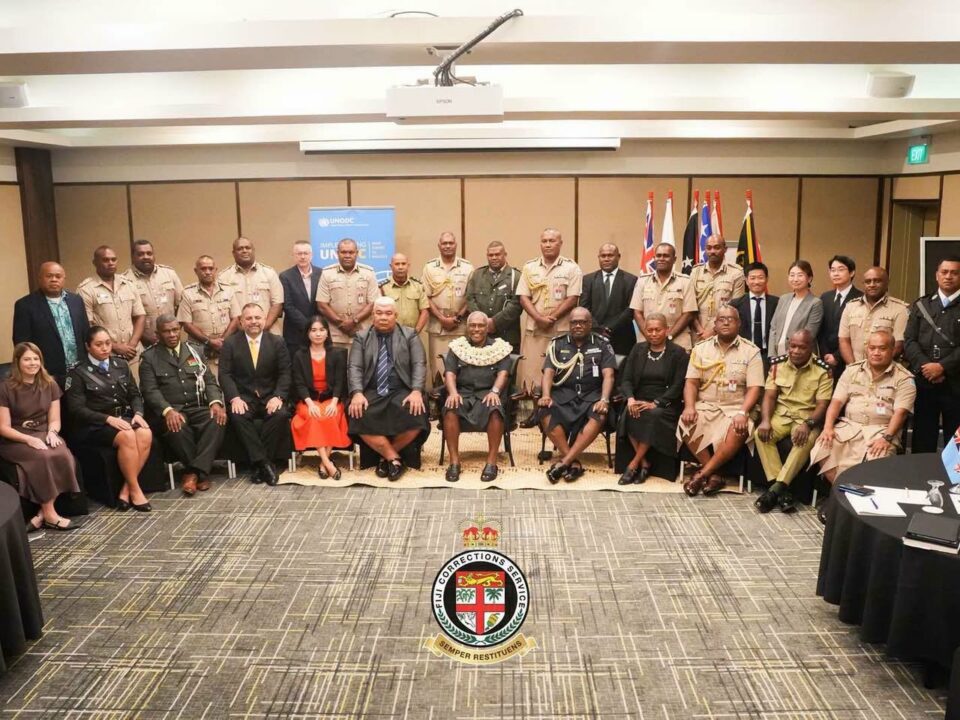
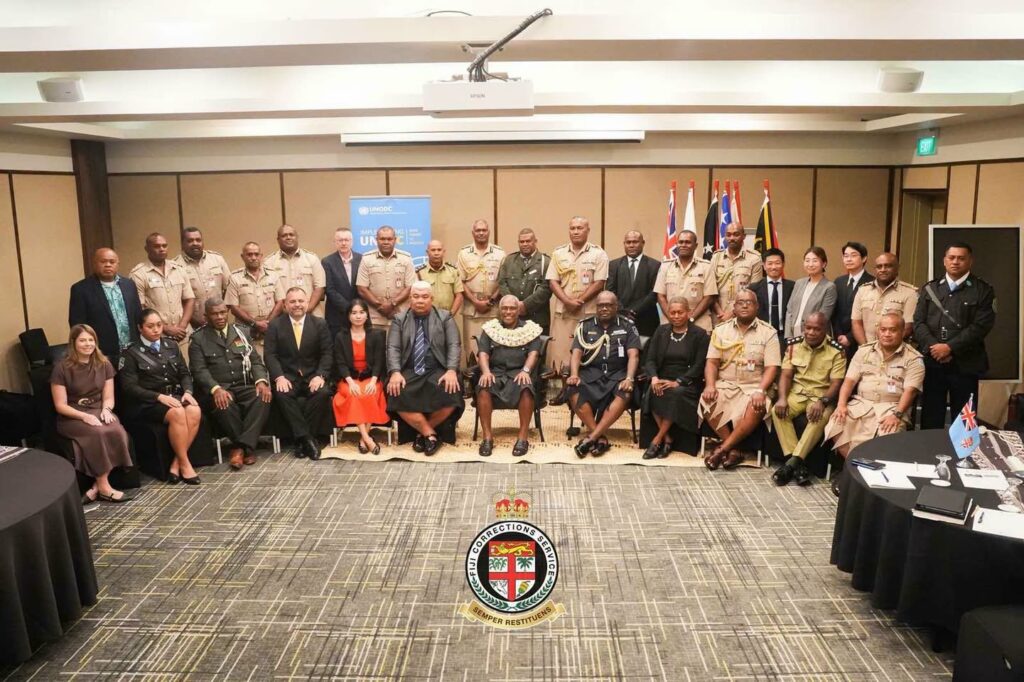
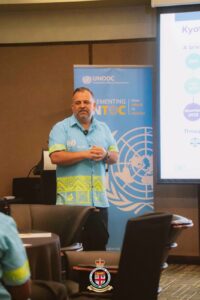
The United Nations Office on Drugs and Crime (UNODC) and the Fiji Corrections Service today closed a two-day Pacific Dialogue on Transnational Organized Crime and Corrections in Suva.
The Dialogue addressed a critical gap in traditional law enforcement strategies: ensuring that criminal networks do not continue to operate, adapt, or exert influence from behind bars.
Key Highlights and Initiatives:
• Whole-of-Criminal-Justice Approach: UNODC emphasizes that a response ending at conviction is incomplete. True disruption requires managing high-risk offenders effectively throughout their custody.
• Targeted Core Areas: Ahead of the Dialogue, UNODC and the Fiji Corrections Service identified three operational priorities to counter evolving risks: enhancing staff capability, upgrading infrastructure and security systems, and improving actionable intelligence.
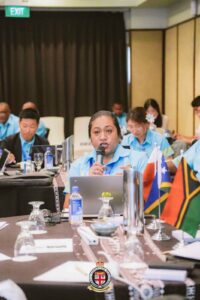 • Regional Collaboration: Corrections leaders and senior officials from Fiji, Papua New Guinea, Solomon Islands, Tonga, and Vanuatu collaborated alongside partners from Australia, Japan, and New Zealand to share strategies on rehabilitation, reintegration, and inter-agency information sharing.
During the opening of the dialogue, Minister for Justice and Peace, Hon. Siromi Turaga warned, “Correctional institutions can themselves be affected by organized criminal networks if appropriate safeguards are not in place.”
Megumi Hara, UNODC Pacific Regional Adviser on Transnational Organized Crime, added, “A response to transnational organized crime that ends at the point of conviction is not a complete response.”
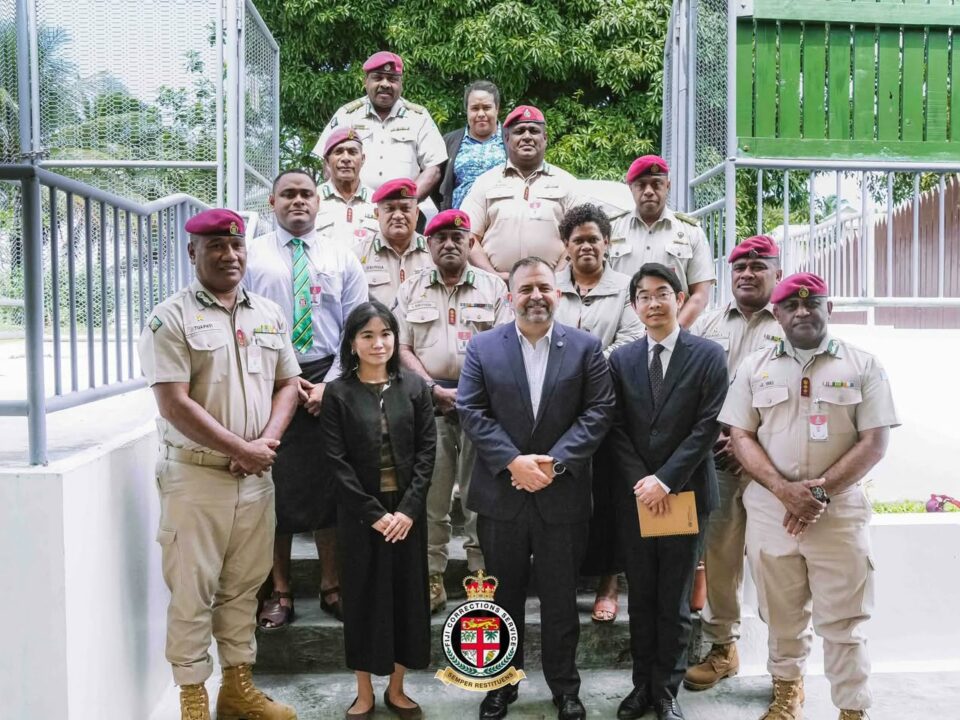
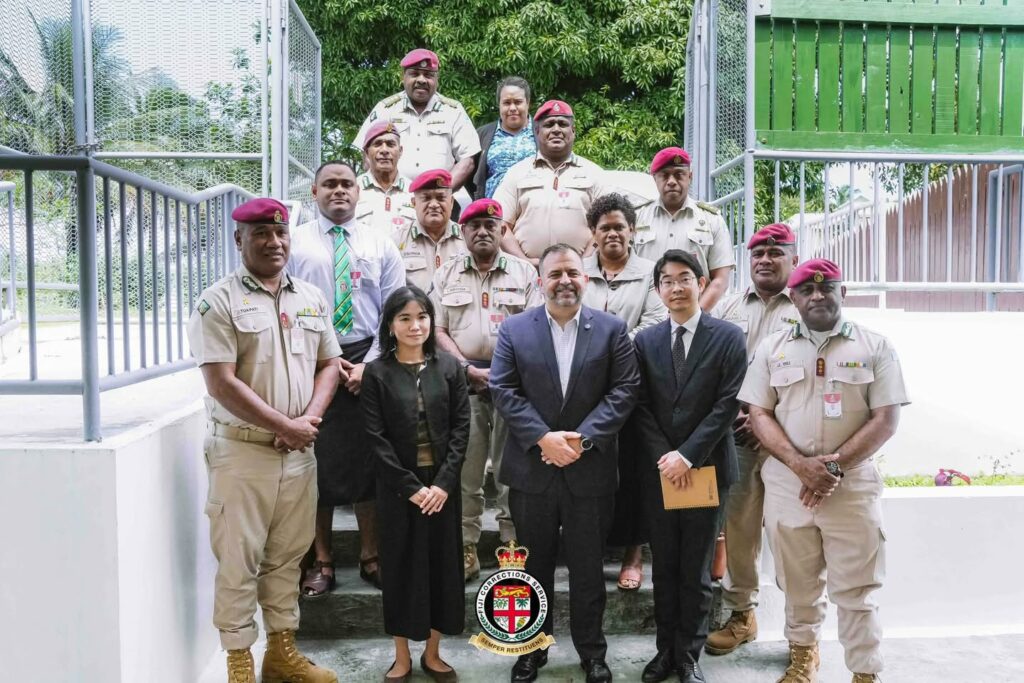
Acting Commissioner of Corrections, Mr Auta Moceisuva said that before the meeting UNODC had toured the Fiji Corrections Service to explore how correctional systems can respond to evolving organized crime risks.
” We focused on three practical areas: staff capability, infrastructure and security systems suited to changing risks, and intelligence that can inform timely action.”
These questions were then tabled at the meeting where the respective Commissioners from the region shared their experiences and challlenges.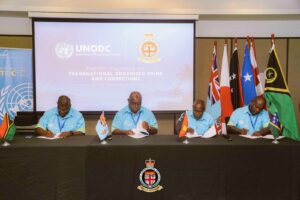
The two-day dialogue culminated in the signing of a shared agreement among Melanesian countries, providing a stronger platform to support future proposals to their respective governments on issues regarding Corrections.
UNODC has committed to ongoing partnership with Pacific correctional services and regional allies to foster Pacific-to-Pacific cooperation, ensuring prison systems evolve in tandem with policing, border control, and prosecution forces.