𝐅𝐂𝐒 𝐂𝐨𝐦𝐦𝐞𝐧𝐜𝐞𝐬 𝟐𝟎𝟐𝟔 𝐈𝐧𝐦𝐚𝐭𝐞 𝐔𝐩𝐬𝐤𝐢𝐥𝐥𝐢𝐧𝐠 𝐂𝐨𝐮𝐫𝐬𝐞𝐬 𝐚𝐭 𝐍𝐚𝐬𝐢𝐧𝐮 𝐂𝐨𝐫𝐫𝐞𝐜𝐭𝐢𝐨𝐧𝐬 𝐂𝐞𝐧𝐭𝐫𝐞

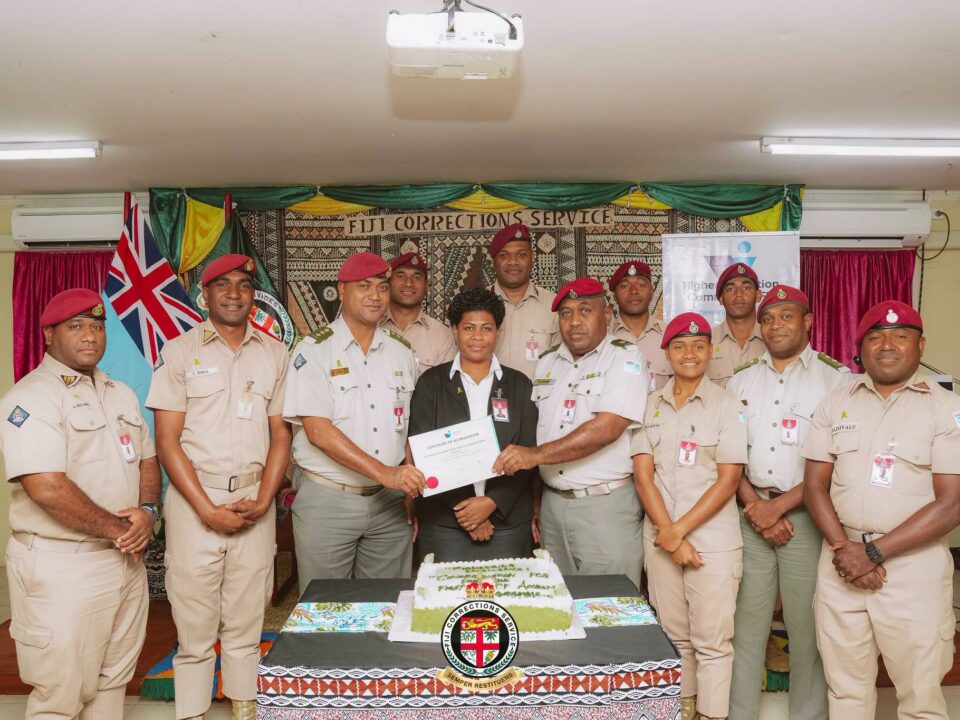
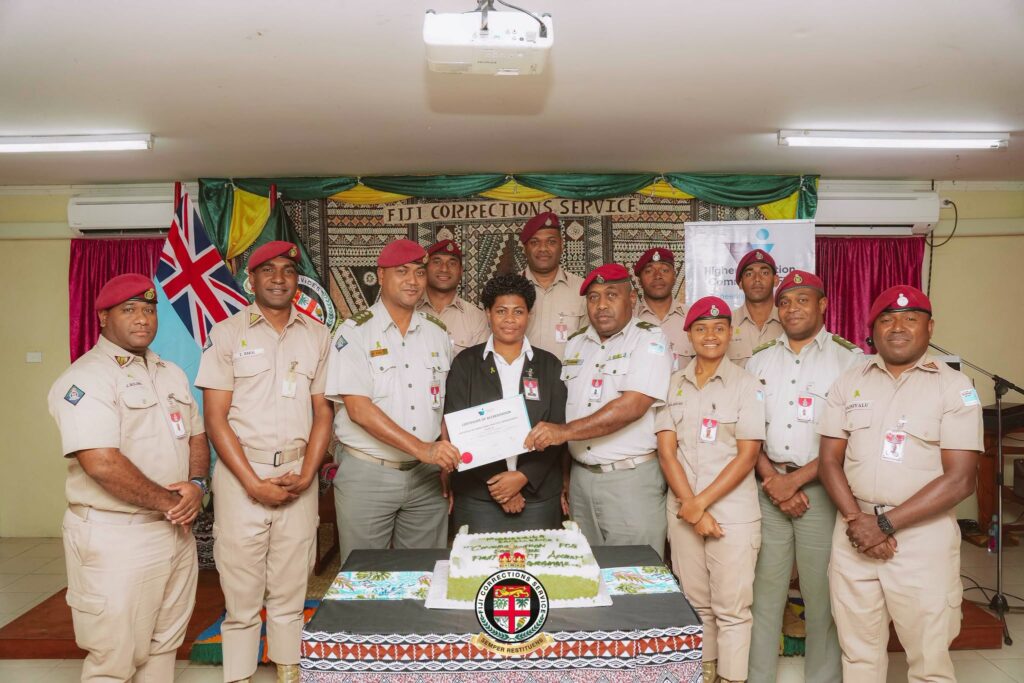
𝐅𝐂𝐒 𝐓𝐫𝐚𝐢𝐧𝐢𝐧𝐠 𝐀𝐜𝐚𝐝𝐞𝐦𝐲 𝐀𝐜𝐡𝐢𝐞𝐯𝐞𝐬 𝐍𝐚𝐭𝐢𝐨𝐧𝐚𝐥 𝐀𝐜𝐜𝐫𝐞𝐝𝐢𝐭𝐚𝐭𝐢𝐨𝐧 𝐟𝐨𝐫 𝐂𝐨𝐫𝐫𝐞𝐜𝐭𝐢𝐨𝐧𝐚𝐥 𝐏𝐫𝐚𝐜𝐭𝐢𝐜𝐞𝐬 𝐏𝐫𝐨𝐠𝐫𝐚𝐦𝐦𝐞
September 29, 2026
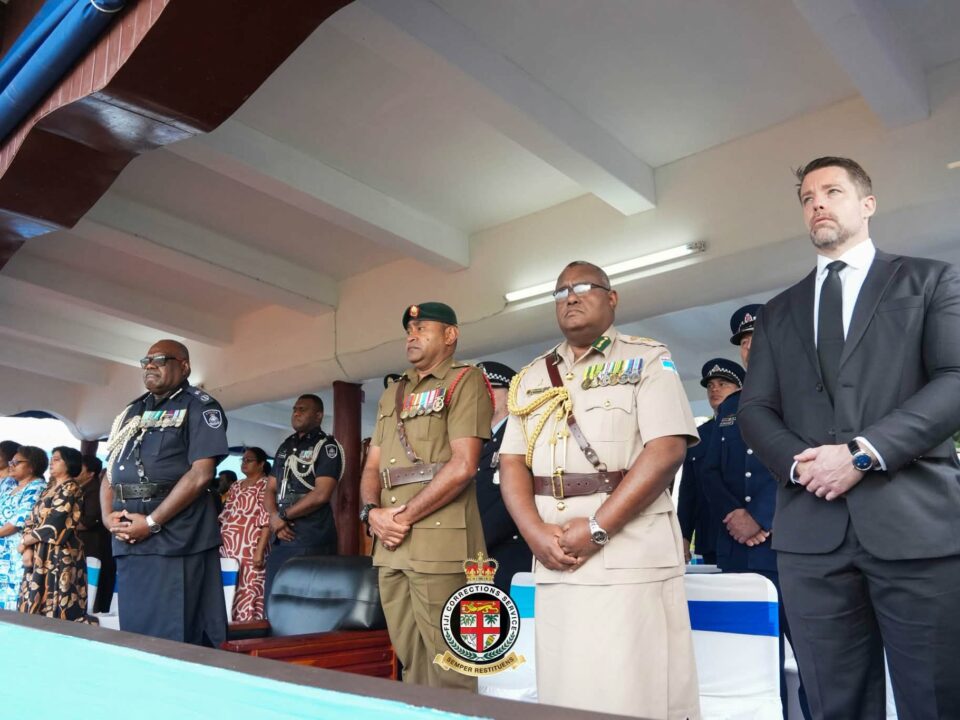
𝐀𝐂𝐓𝐈𝐍𝐆 𝐂𝐎𝐌𝐌𝐈𝐒𝐒𝐈𝐎𝐍𝐄𝐑 𝐀𝐓𝐓𝐄𝐍𝐃𝐒 𝐅𝐈𝐉𝐈 𝐏𝐎𝐋𝐈𝐂𝐄 𝐅𝐎𝐑𝐂𝐄 𝐃𝐀𝐖𝐍 𝐒𝐄𝐑𝐕𝐈𝐂𝐄 𝐀𝐓 𝐍𝐀𝐒𝐎𝐕𝐀
September 29, 2026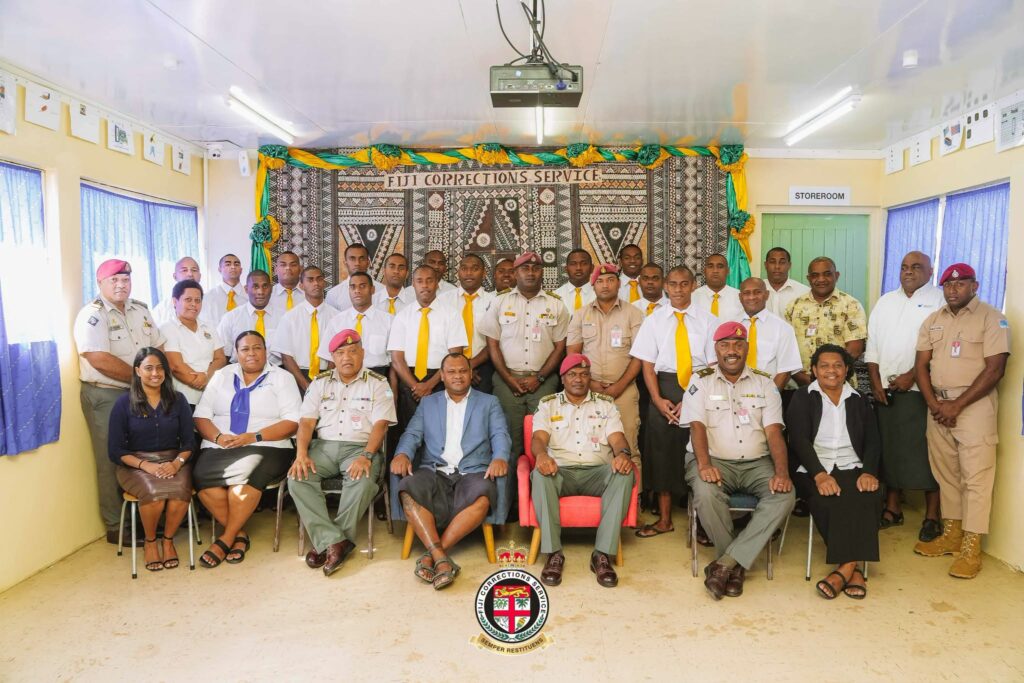
28th September, 2026
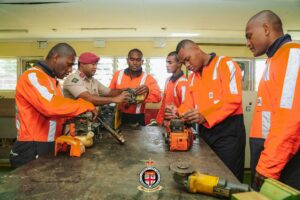
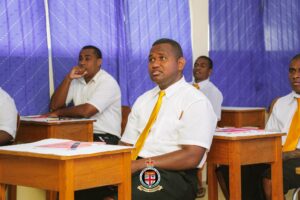 NASINU, FIJI – The Fiji Corrections Service (FCS) today officially commenced its 2026 Inmate Upskilling Courses at the Nasinu Corrections Centre, providing 19 inmates with opportunities to gain practical skills to support their rehabilitation and reintegration into society.
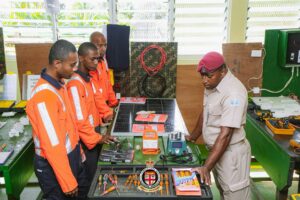
The three-month programme, approved by the Fiji Higher Education Commission (FHEC), offers training in Level 3 Automotive Engineering, Level 3 Electrical Fitter Mechanics and Level 3 Music, with each course comprising 100 hours of training.
 Speaking at the opening, Acting Deputy Commissioner of Corrections, Mr. Apolosa Veve, said the courses reflected the FCS mandate to provide inmates with opportunities to reform, learn new skills and prepare for a positive return to society.
“These courses are at the heart of what we do. They reflect our core mandate – to ensure that those placed under our care are given the best possible opportunity to reform, to learn new skills, and to prepare for a positive return to society,” Mr. Veve said.
He acknowledged the support of stakeholders, particularly the FHEC, for their partnership in providing inmates with opportunities to develop skills and embrace a second chance.
Addressing the 19 participants, Mr. Veve encouraged them to take ownership of the opportunity and remain committed to their personal development.
 “This is your moment. This is your opportunity. The future is not something you wait for – it is something you build,” he said.
He further encouraged participants to “never look back, aim high, stay focused and stay committed”, assuring them that the Fiji Corrections Service believes in their potential to change and succeed.
The programme will combine theoretical and practical training, with hands-on sessions conducted in the workshop and at the Nasinu Corrections Centre.
Mr. Veve officially declared the 2026 Inmate Upskilling Courses open, reaffirming the FCS commitment to rehabilitation through education, vocational training and meaningful skills development.
The programme is expected to provide participants with skills that can contribute to their successful reintegration and enable them to make positive contributions to their families, communities and the wider economy